Source TSA Approved Luggage Padlock for Travel, Business, and Commute
Compare 30 TSA Approved Luggage Padlock options from verified suppliers. Buyers can evaluate password locks, alloy materials, and packing styles for commercial and travel use cases. These models include keyless designs, dial mechanisms, and various color options suitable for suitcases and commercial applications.
Key considerations
Products List


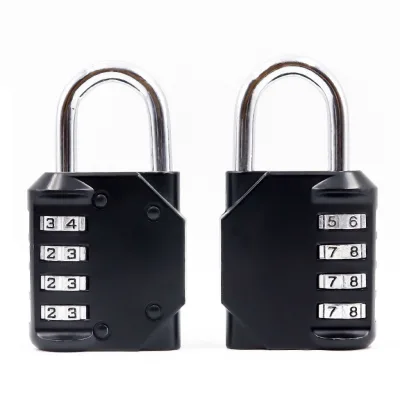


Tsa Approved Travel Locks (31mm) 4 Digit Combination Padlock for Luggage
$2.25 - $4.45
MOQ: 500 Pieces


Travel Lock Combination Chool Luggage Suitcase Baggage Tsa Approved Padlocks
$1.89 - $2.18
MOQ: 200 pieces


Suitcases 3 Digit Combination Zinc Alloy Approved Travel Lock Tsa Luggage Padlocks
$1.76 - $2.65
MOQ: 100 pieces

Luggage Backpacks Zinc Alloy Travel Suitcase 4 Digit Luggage Lock Tsa Padlock
$2.39 - $2.89
MOQ: 220 pieces

Factory Direct Wholesale Digital TSA Padlock High Security Padlock for Luggage
$1.85 - $20.57
MOQ: 100 Minimum


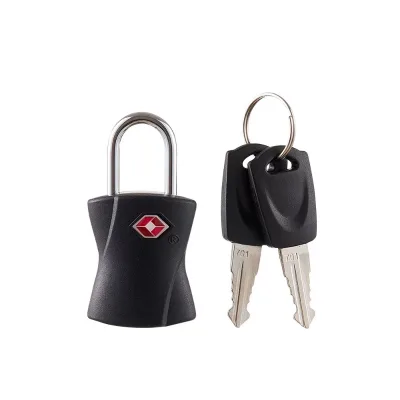
Comprehensive Sourcing Guide
TSA Approved Luggage Padlock Sourcing Guide
Sourcing TSA-approved luggage padlocks requires a careful balance between security functionality and regulatory compliance. These specialized locks allow Transportation Security Administration officers to inspect baggage without damaging the lock or the luggage, a critical feature for international travelers. Buyers must distinguish between genuine TSA-approved mechanisms and generic combination locks that lack the necessary keyway for master keys. The market offers various designs, from traditional keyless dials to more complex alloy constructions, each serving different brand positioning and durability needs.
Procurement teams should focus on verifying the specific approval status of each model, as not all "TSA-style" locks are officially recognized. The supplied data indicates models like the ET-8482 and ET-8464 feature official TSA approval, which is a significant selling point for travel accessory brands. Understanding the mechanical differences, such as the 3-digit versus 4-digit combination options, helps in selecting the right product for specific customer demographics. This guide outlines the essential verification steps to ensure quality, compliance, and commercial viability in your sourcing strategy.
Product Scope and Observed Listing Signals
The current market landscape for TSA-approved luggage padlocks reveals a diverse range of materials and structural designs. Stainless steel and zinc alloy are prominent materials, offering varying degrees of corrosion resistance and weight. For instance, the KP930 model utilizes stainless steel with a password locking structure, while the CP-108-TS and CP598-TS models are made from alloy materials. These material choices directly impact the perceived value and durability of the final product, with zinc alloy often providing a balance of cost and aesthetic flexibility for colorful, multi-color designs.
Observed listing signals highlight significant variation in packaging and origin, which affects logistics and branding strategies. Products originate from regions such as Guangdong, Zhejiang, and Taiwan, indicating a mature supply chain in Asia. Packaging options range from simple polybag packs to more premium posh boxes or blister packs, allowing buyers to tailor the unboxing experience to their target market. The presence of models like the TL-8023A with specific dimensions (8143.521.5MM) suggests that size constraints are a key design consideration for integration into luggage zippers.
Technical Specifications to Verify
Technical verification must begin with the locking mechanism and combination complexity. Buyers should confirm whether the lock uses a 3-digit or 4-digit dial system, as this affects security levels and user convenience. The ET-8464 model, for example, features a 3-digit combination with a round shape, while the CP-108-TS offers 4-digit security. It is crucial to verify the unlock method, ensuring it is truly keyless for the majority of consumer models, although some designs may still offer key backups. The mechanical type should be clearly defined to ensure smooth operation and resistance to tampering.
Dimensional and weight specifications are equally critical for luggage integration and shipping calculations. The TL-8023A model provides precise dimensions of 8143.521.5MM and a weight of 120g, which helps in assessing the bulkiness of the lock. Smaller models, such as the ET-8482, are noted with dimensions of 45x23x13mm and a weight of 36g, offering a more discreet profile. Buyers must verify the single package size and gross weight to accurately calculate freight costs and ensure the lock does not add excessive weight to the final luggage product.
Compliance and Safety Documentation
Compliance with TSA standards is the primary differentiator for these products. Buyers must request official documentation or certification that confirms the lock mechanism is approved for use by the Transportation Security Administration. The ET-8482 and ET-8464 models are explicitly described as having official TSA approval, which is a vital claim for marketing and regulatory compliance. Without this verification, the product may not function as intended during security checks, leading to customer dissatisfaction and potential liability issues for the brand.
Additional safety and environmental standards may also apply, depending on the target market. The CP598-TS model is listed with RoHS and TSA standards, indicating compliance with hazardous substance restrictions in addition to travel security requirements. Buyers should verify if other models meet similar environmental regulations, particularly if selling in regions with strict chemical safety laws. Ensuring that the materials used, such as zinc alloy or stainless steel, do not contain prohibited substances is essential for global distribution and brand reputation.
Cost Drivers and Commercial Terms
Cost structures for TSA-approved padlocks are influenced by material choice, complexity of the locking mechanism, and order volume. The observed price range of 0.34 to 33.99 USD reflects significant variation, likely driven by the difference between basic polybag-packed items and premium posh-boxed versions. Models like the Bravo brand lock, with its colorful design and specific weight, may command a higher price due to aesthetic customization and brand value. Buyers should analyze the cost per unit against the packaging and branding options to determine the best margin potential.
Minimum Order Quantities (MOQ) vary widely, impacting cash flow and inventory management. The data shows MOQs ranging from as low as 2 units to as high as 5000 pieces, catering to both small boutique brands and large-scale retailers. The ET-8482 model, for instance, has an MOQ of 500 PCS, which is typical for customized logo products. Understanding these thresholds helps buyers negotiate better terms and plan production schedules effectively, ensuring they meet demand without overstocking slow-moving inventory.
Supplier Qualification and Quality Control
Supplier qualification should focus on their ability to maintain consistent quality across different material types and designs. Given the origins in Guangdong, Zhejiang, and Taiwan, buyers should assess the supplier's production capacity and quality control processes. The availability of customization, such as custom logos and packaging, indicates a flexible manufacturing capability. However, this flexibility must be balanced with rigorous quality checks to ensure that the TSA mechanism functions reliably across all units, especially for high-volume orders.
Quality control measures must include functional testing of the combination locks and durability assessments of the shackle and body. Buyers should request samples to verify the smoothness of the dial operation and the strength of the lock against forced entry. The presence of different packing methods, from blister packs to back cards, suggests that suppliers have varied packaging lines. Ensuring that the packaging protects the lock during transit is also a key quality metric, as damaged locks can lead to high return rates and negative customer feedback.
Long-Term Procurement Checks
Long-term procurement success depends on the supplier's ability to innovate and adapt to changing travel trends. As luggage designs evolve, the demand for slimmer, more integrated locks may increase. Buyers should monitor the introduction of new models, such as the CP598-TS or TL-8023A, to stay ahead of market trends. Continuous engagement with suppliers to discuss new materials or security features can help in developing exclusive products that differentiate the brand in a competitive market.
Sustainability and regulatory changes also require ongoing attention. As environmental regulations tighten, suppliers may need to update their materials and processes to remain compliant. Buyers should regularly review the supplier's adherence to standards like RoHS and ensure that their supply chain is transparent and ethical. Building a strong, long-term relationship with a reliable supplier ensures consistent supply, better pricing, and quicker response times to market demands, securing a competitive advantage in the travel accessories sector.
FAQs
What materials are used for tsa approved luggage padlocks?
These locks are typically constructed from durable materials such as stainless steel, alloy, or zinc alloy to ensure longevity and resistance to corrosion. The specific material choice depends on the model, with options ranging from standard stainless steel to colorful zinc alloy variants designed for aesthetic appeal and structural integrity in travel scenarios.
How does the password locking mechanism work on these locks?
The mechanism operates as a mechanical dial system that allows users to set a custom combination for security. Models feature 3 or 4 digit combinations, enabling keyless access for the owner while maintaining TSA approval for inspection. This design ensures that only the person who knows the code can unlock the luggage without a physical key.
Which certifications confirm the security standards of these padlocks?
Security standards are confirmed by certifications such as RoHS and TSA approval, ensuring compliance with international safety and travel regulations. These certifications indicate that the locks meet specific material safety requirements and can be opened by authorized security personnel using master keys, providing a balance between personal privacy and airport security protocols for global travelers.
Can buyers customize the packaging for bulk orders of these locks?
Yes, customization is available for bulk orders, allowing buyers to select from options like polybag packing, blister packs, or posh boxes. Manufacturers often accept custom logos and specific packaging designs to align with brand identity. This flexibility supports private labeling strategies and ensures the product presentation meets the specific retail or corporate gifting requirements of the purchaser.
What is the typical MOQ for sourcing these travel padlocks?
The minimum order quantity varies significantly by supplier and product model, ranging from as low as 2 pieces to 5000 pieces. Some manufacturers offer low MOQs for sample testing or small batches, while others require higher volumes for cost-effective production. Buyers should verify the specific MOQ requirements for each model, such as the CP-108-TS or KP930, to align with their inventory needs.
Where are these tsa approved padlocks typically manufactured?
These padlocks are primarily manufactured in China, with specific production hubs located in Guangdong and Zhejiang provinces. Some models may also originate from Taiwan, reflecting the region's expertise in precision hardware manufacturing. The geographic concentration of suppliers facilitates efficient logistics and supply chain management for international buyers seeking reliable sources for travel accessories and security hardware.